Stable Signals: Tracking Equine Fitness Trackers to Inform Pre-Race Betting Positions
Written by Taylor Lange · Jul 29, 2026
Stable Signals: Tracking Equine Fitness Trackers to Inform Pre-Race Betting Positions
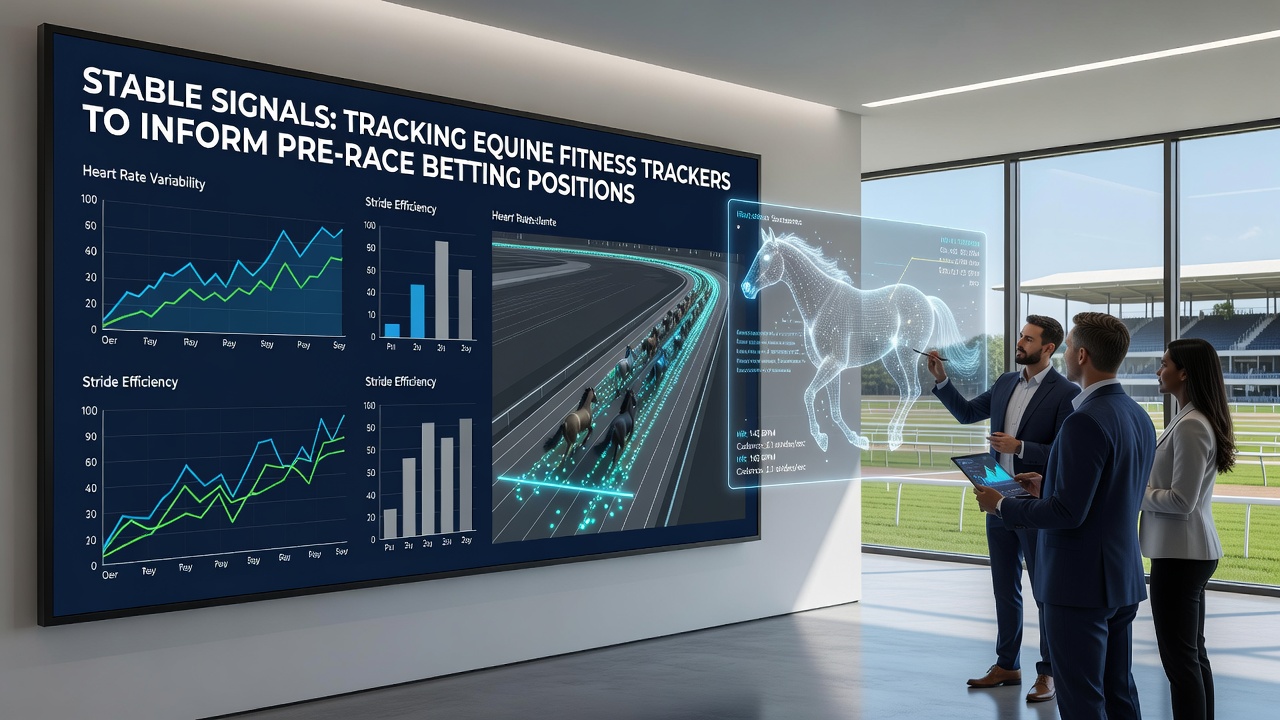
Equine fitness trackers have moved from experimental tools in a handful of high-end stables to standard equipment across major racing jurisdictions, and the data they generate now shapes how analysts and bettors evaluate horses in the days leading up to a race. These devices measure heart-rate variability, stride length, GPS-derived speed over specific track sections, and recovery rates after workouts, creating detailed profiles that reveal whether a horse is approaching peak condition or showing subtle signs of fatigue. In July 2026 several international racing authorities reported expanded use of these systems, with trainers uploading anonymized datasets to shared platforms that third-party analysts then cross-reference against past performance records.
How the Devices Capture Performance Metrics
Modern equine trackers combine multiple sensors into lightweight saddle-pad units or girth straps that transmit real-time readings via Bluetooth or cellular networks. Heart-rate monitors detect elevations during canter work that might indicate respiratory issues, while inertial measurement units record the symmetry of each stride so that even minor imbalances become visible on a trainer's tablet. GPS modules log split times across different track surfaces and gradients, allowing direct comparison between morning workouts and official trial gallops. Observers note that these layered data streams give a more granular picture than traditional stopwatch times alone, since two horses can post identical clockings yet display markedly different recovery curves afterward.
From Stable Data to Pre-Race Market Movements
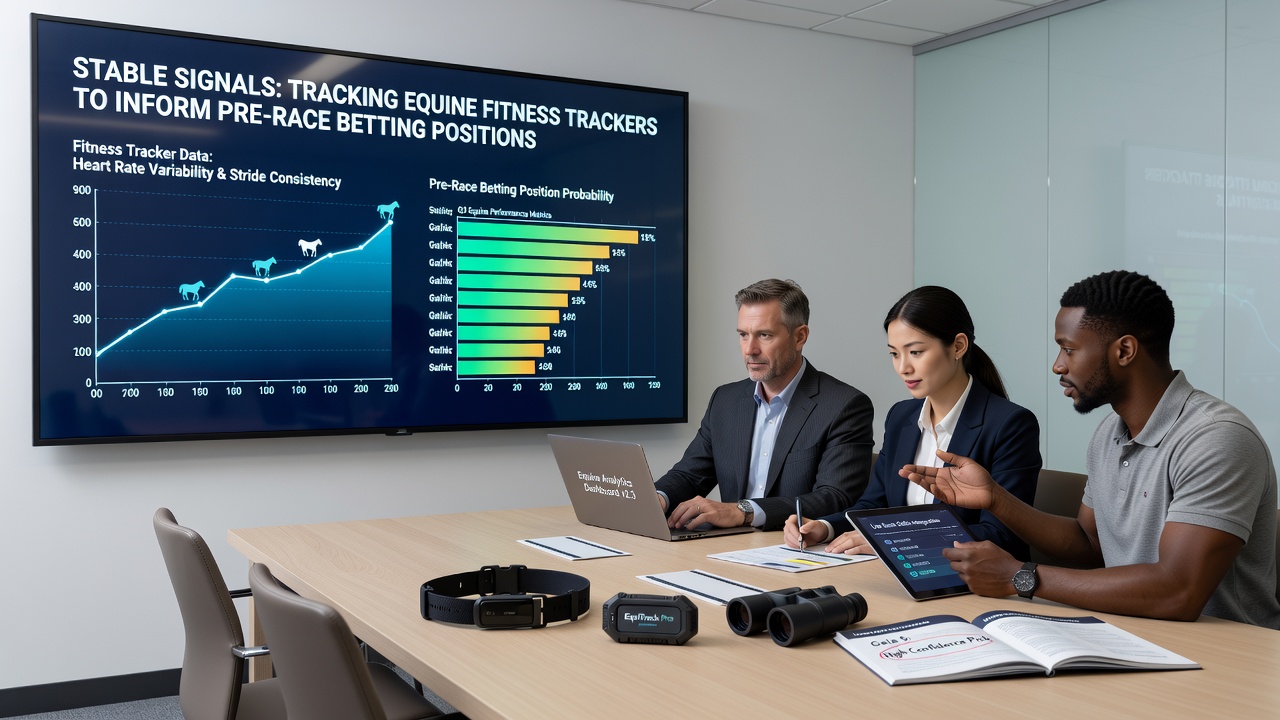
Bettors who follow professional syndicates have begun incorporating tracker-derived metrics into their pre-race assessments, particularly in handicap races where official ratings lag behind current fitness levels. When a horse's heart-rate recovery improves by several beats per minute over a two-week period, or when stride symmetry scores rise above established benchmarks for that animal, market prices often tighten in the 48 hours before declarations. Data from Australian racing trials shared through industry reports shows that horses meeting specific recovery thresholds win at rates several percentage points above their starting-price implied probabilities, prompting syndicates to adjust stakes accordingly. This information reaches the public through specialist tipping services and subscription dashboards rather than official channels, creating an information gradient that rewards those who monitor the metrics closely.
Regional Differences in Adoption and Regulation
North American tracks have integrated tracker data into veterinary monitoring programs overseen by state racing commissions, whereas European jurisdictions tend to leave collection and analysis in the hands of private trainers and owners. A collaborative study conducted by researchers at the University of Melbourne examined stride data from more than 1,200 Australian gallops and found correlations between certain GPS patterns and subsequent race outcomes that held across different track conditions. In contrast, Canadian provincial bodies have focused on using the same devices primarily for welfare checks, with public release of aggregated statistics occurring only after meets conclude. These varying approaches mean that the availability of actionable signals differs by region, influencing how international betting syndicates allocate research resources ahead of major festivals.
Case Examples From Recent Meetings
Take one three-year-old colt whose tracker readings showed a sudden improvement in left-lead stride symmetry two weeks before a Group 2 contest at a major summer meeting. The horse had finished unplaced in its previous start, yet the updated metrics aligned with a strong performance on the day, moving its odds from 14-1 in early markets to 9-2 at the off. Similar patterns appeared at several midweek fixtures where lightly raced maidens posted recovery times that matched those of established handicappers, prompting late money that compressed their prices. Analysts who track these signals emphasize that the data works best when combined with traditional factors such as draw, pace map, and official ratings rather than in isolation.
Limitations and Data Quality Considerations
Despite growing adoption, tracker outputs remain subject to calibration differences between device manufacturers and occasional signal loss during high-speed sections. Trainers sometimes withhold full datasets from public platforms, releasing only summaries that omit sensitive variables. Industry organizations such as the American Horse Council have published guidelines recommending standardized upload formats, yet compliance varies. Bettors therefore treat the numbers as one input among several, cross-checking against video replays and trainer comments to avoid over-reliance on any single metric.
Conclusion
Equine fitness trackers supply an expanding stream of objective measurements that increasingly inform pre-race betting decisions across multiple jurisdictions. As more stables adopt the technology and data-sharing protocols mature, the signals generated by these devices continue to influence market movements in the hours and days before races begin. Observers tracking the sector note that the integration of wearable data with established handicapping methods represents an ongoing evolution rather than a replacement for conventional analysis.