Simulation Engines Behind Nonstop Virtual Sports Draw Dedicated Followers Worldwide
Written by Ellis Lange · Aug 17, 2026

Simulation Engines Behind Nonstop Virtual Sports Draw Dedicated Followers Worldwide
Simulation engines run virtual athletic competitions around the clock, generating outcomes in sports such as soccer, horse racing and tennis without reliance on real-world schedules or weather conditions. These systems use algorithms that process vast datasets on player statistics, historical performance and environmental variables to produce matches that unfold in real time, allowing platforms to host events at any hour. Observers note that the technology creates a steady flow of competitions where each result feeds into the next cycle, maintaining engagement across time zones and regions.
Core Technology Driving Continuous Events
Engineers build these simulations on physics models and machine learning frameworks that calculate ball trajectories, athlete movements and scoring probabilities with high precision, while random number generators introduce variability to mimic the unpredictability of live sports. Data centers in multiple locations synchronize updates every few seconds, ensuring that thousands of simultaneous users receive consistent feeds without interruption. Researchers at institutions such as those affiliated with the American Gaming Association have documented how these engines scale to support millions of concurrent sessions by distributing computational loads across cloud networks, which became especially evident during expanded operations reported in August 2026.
Integration with betting interfaces occurs through application programming interfaces that update odds dynamically as simulated events progress, linking each virtual action directly to market fluctuations. This setup permits continuous wagering cycles where participants adjust positions mid-event based on unfolding plays, all without the delays associated wth traditional fixtures.
Expansion of Audience Reach and Participation Patterns
Statistics from industry reports indicate rising participation rates among users who prefer on-demand access over scheduled programming, with platforms reporting sustained activity levels even during off-peak hours in physical sports calendars. Dedicated followers often track multiple virtual leagues simultaneously, using mobile applications that push notifications for key moments such as goals or finishes. Figures reveal that engagement metrics climbed notably in mid-2026, coinciding with platform upgrades that added more granular simulation options for niche disciplines like darts and rugby variants.
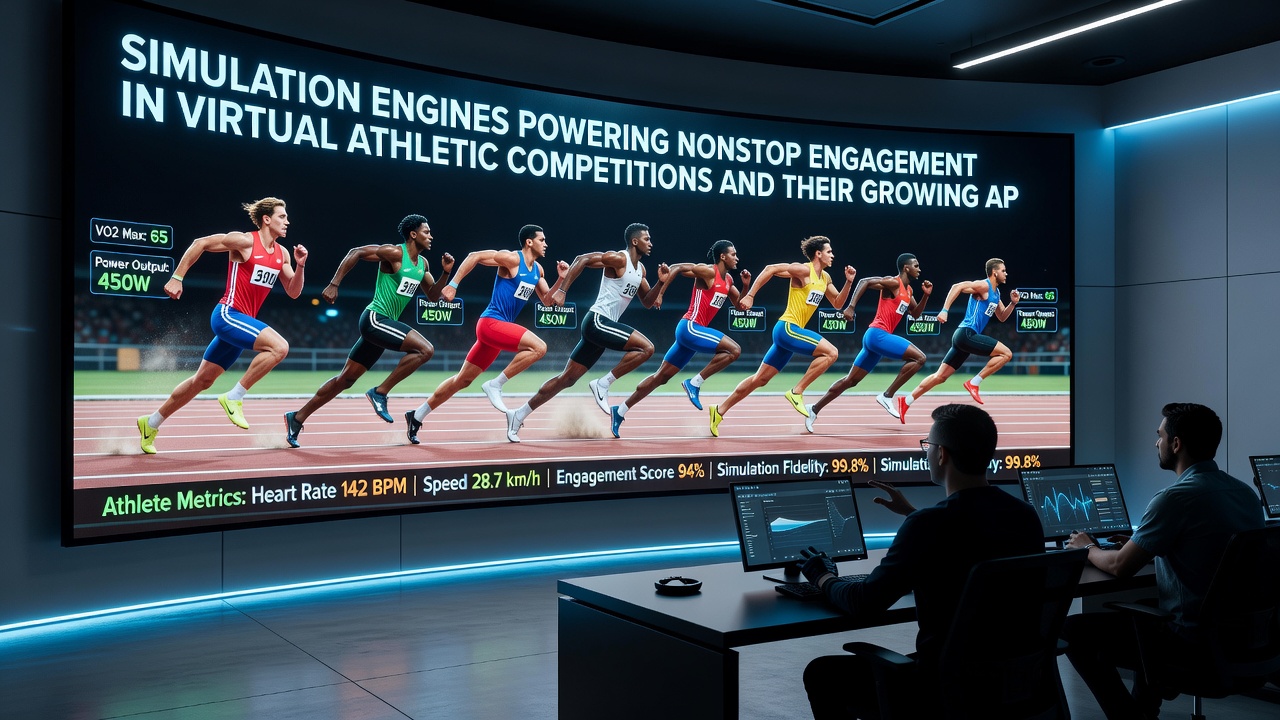
Geographic distribution shows strong uptake in markets outside traditional betting hubs, including parts of Asia and North America where regulatory frameworks support digital entertainment formats. Trade groups such as the European Gaming and Betting Association have compiled data showing how simulation-based events fill gaps left by seasonal interruptions in conventional athletics, creating year-round opportunities for consistent viewer interaction.
Regulatory and Technical Considerations in 2026
Authorities in various jurisdictions review simulation integrity through independent audits that verify algorithm fairness and outcome randomness, with standards updated periodically to address advances in computational power. In August 2026, several operators implemented enhanced transparency measures that publish engine specifications to oversight bodies, responding to demands for verifiable processes in virtual competitions. These steps align with broader efforts to maintain trust among followers who rely on the systems for extended sessions.
Technical teams monitor latency and synchronization across global servers, addressing issues that arise when high volumes of users access events during coordinated promotional periods. Studies from research centers in Canada and Australia highlight how optimized network protocols reduce delays to under one second in most cases, preserving the seamless experience that keeps dedicated audiences returning.
Conclusion
Simulation engines continue to shape virtual athletic competitions by enabling nonstop cycles that attract followers seeking immediate access and variety. Data from multiple regions demonstrates steady growth in platform usage through 2026, supported by ongoing refinements in computational models and regulatory oversight. Those who follow these developments observe that the infrastructure supports broader participation patterns without dependence on external event calendars, positioning the technology as a stable component within digital entertainment ecosystems.