Sensor Networks Transform Real-Time Insights for Live Horse Racing Wagers
Written by Quinn Peters · Jun 24, 2026
Sensor Networks Transform Real-Time Insights for Live Horse Racing Wagers
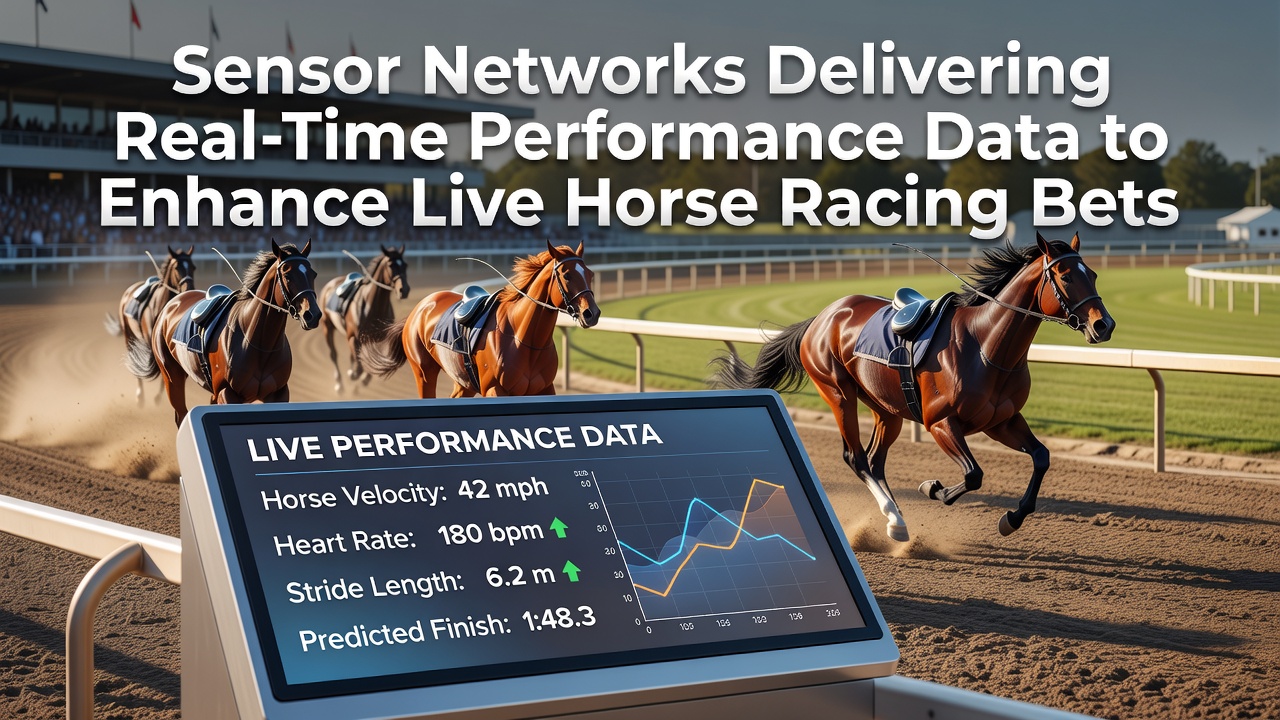
Modern sensor networks have started reshaping how performance metrics reach bettors during live horse racing events, and this shift brings fresh layers of data into play-by-play wagering decisions. These systems attach lightweight devices to horses and jockeys, capturing variables such as heart rate, stride length, acceleration, and GPS positioning at intervals measured in milliseconds. Data streams flow directly to centralized platforms that update odds and statistics visible to participants in real time, which allows markets to adjust based on emerging physical indicators rather than relying solely on pre-race form.
Core Components of Sensor Deployment
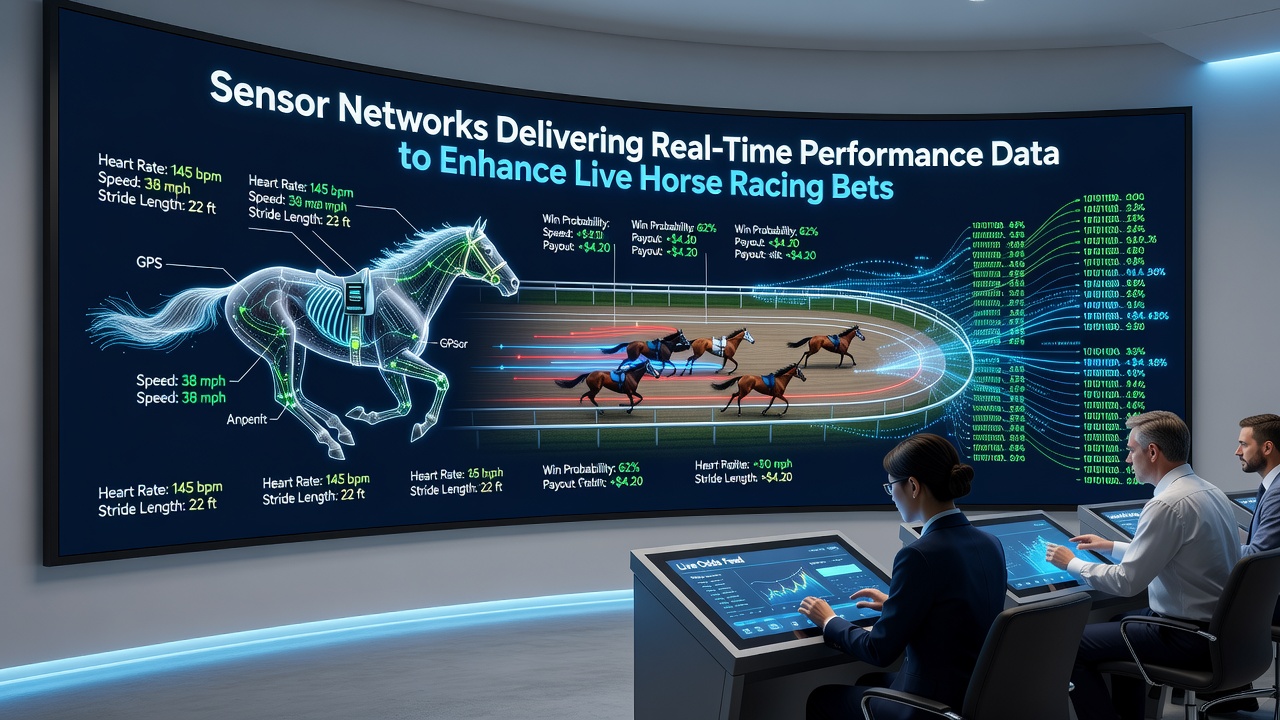
Engineers integrate accelerometers, gyroscopes, and biometric monitors into saddle pads and bridles, while additional units sit along track railings to triangulate positions with high precision. Research from institutions like the University of Sydney shows these arrays transmit information through low-latency wireless protocols that maintain connectivity even amid the electromagnetic noise of crowded race days. Track operators in regions including Australia and North America have rolled out pilot installations where every runner carries calibrated equipment that logs over 100 data points per second, creating datasets that feed directly into analytical dashboards used by betting operators.
Those who have examined the setups note that power management remains critical because batteries must last through multiple heats without adding noticeable weight. Cooling mechanisms and durable casings protect the hardware from mud, rain, and impacts, while encryption standards safeguard the feeds against interference. Data aggregation occurs at edge servers located near the track, which then push summarized insights to cloud services that distribute them to apps and broadcast overlays.
Integration with Live Betting Platforms
Betting interfaces now display dynamic metrics alongside traditional odds, so participants can monitor a horse's current heart rate zone or sudden changes in stride efficiency during the race itself. This information influences in-play wagers on outcomes such as sectional times or finishing positions, because patterns in the live feed sometimes correlate with late surges or fatigue signals. Operators connect the sensor outputs to algorithms that recalculate probabilities continuously, which keeps the market responsive to unfolding events rather than static forecasts made hours earlier.
Figures from industry reports compiled by Racing Australia indicate that tracks equipped with these networks saw measurable increases in the volume of in-race bets during the 2025 season, as participants reacted to visible performance shifts. External systems link the raw sensor output to visual graphics that appear on screens at betting terminals and mobile applications, turning raw numbers into intuitive charts that update without delay. Observers note that this setup reduces reliance on delayed video replays alone, since the numerical data arrives ahead of visual confirmation in many cases.
Case Examples from Global Tracks
At venues in Victoria, Australia, full-scale adoption began in late 2025 and expanded through early 2026, where every Thoroughbred in graded events carried sensor packs that fed information to both stewards and wagering partners. Similar programs launched at several North American facilities managed under The Jockey Club guidelines, with data showing average improvements in the accuracy of predicted sectional splits when compared against historical benchmarks. One installation at a Canadian circuit demonstrated how GPS-derived speed curves helped identify horses maintaining consistent velocities through turns, which in turn adjusted live odds on place and show markets within seconds of each update.
European circuits followed with targeted trials during spring meetings in 2026, focusing on harness racing where sulky-mounted units captured additional parameters such as pull force and lateral movement. These deployments highlighted how cross-referencing multiple sensor types produces richer profiles that support more granular betting options, including propositions on specific segments of the course. Analysts from various regulatory bodies across different continents have tracked the rollout and reported consistent patterns in how the data volume scales with field size, requiring robust bandwidth allocation during peak race periods.
Technical and Regulatory Considerations
Standards for data formatting and transmission continue to evolve, with working groups from international equine organizations developing protocols that ensure compatibility across different hardware vendors. Privacy frameworks require anonymization of individual horse identities in public feeds while still allowing detailed performance tracking for official purposes. As of June 2026, several jurisdictions have updated their equipment approval processes to include mandatory calibration checks and audit trails that verify sensor accuracy before each meeting.
Bandwidth demands increase during simultaneous events at multiple tracks, prompting investments in dedicated spectrum allocation and backup fiber connections. Software layers apply machine learning filters that flag anomalies in the incoming streams, such as sudden signal drops that might indicate equipment issues rather than actual performance changes. This layered approach maintains the integrity of the information reaching bettors and operators alike.
Conclusion
Sensor networks continue to expand their footprint across horse racing circuits worldwide, delivering continuous streams of performance metrics that integrate directly into live wagering ecosystems. The technology combines hardware durability with sophisticated data handling to create opportunities for markets that respond to events as they unfold on the track. Ongoing refinements in calibration, transmission speed, and regulatory alignment suggest further evolution in how these systems support informed participation in real-time betting environments.