Penalty Precision: Data Patterns Driving In-Play Football Betting Across the Continent's Major Leagues
Written by Taylor Lange · May 20, 2026
Penalty Precision: Data Patterns Driving In-Play Football Betting Across the Continent's Major Leagues
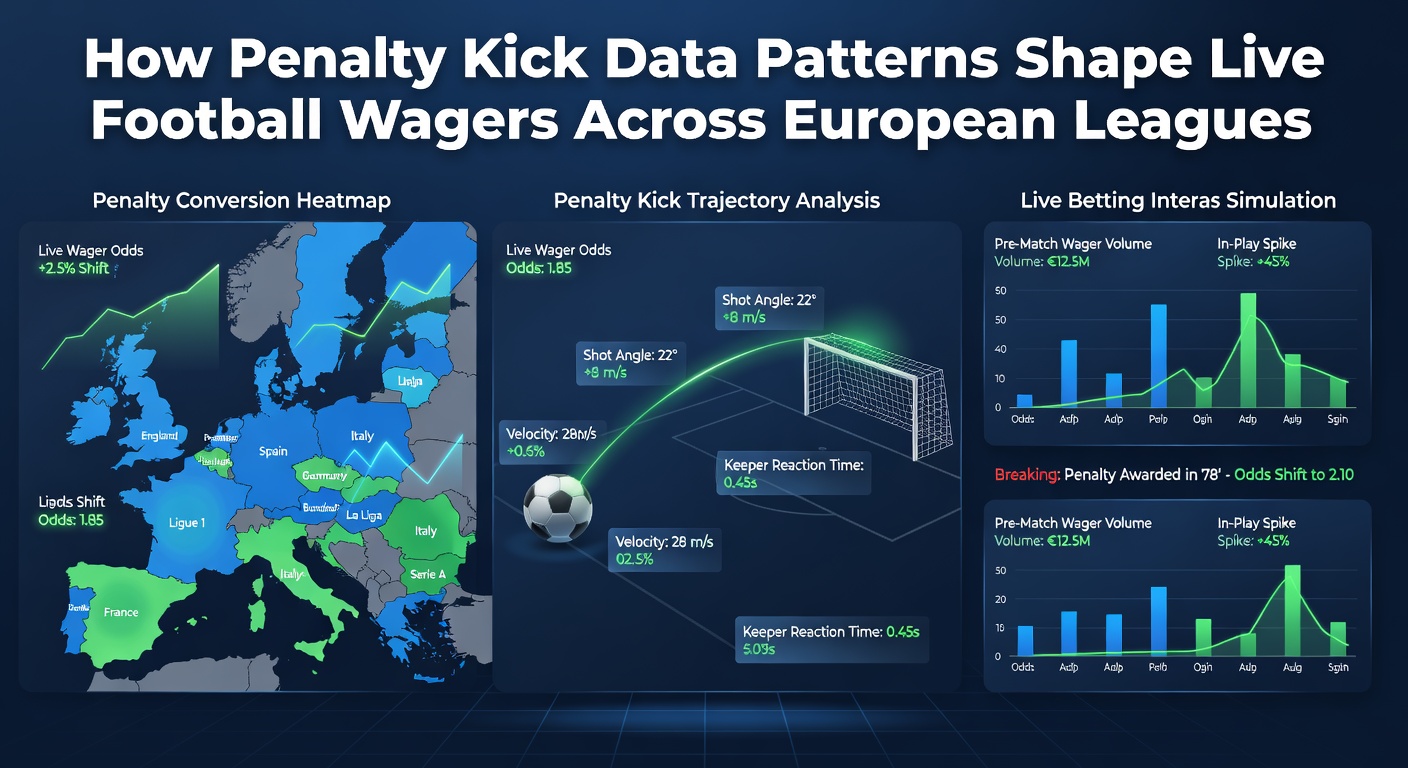
European football leagues generate vast datasets each season, and penalty kick records stand out for their influence on live wagering markets. Analysts track success rates, goalkeeper reactions, and shot placements across competitions like the Bundesliga, La Liga, Serie A, and the Premier League. These figures feed directly into real-time odds adjustments during matches, allowing platforms to recalibrate prices within seconds of a foul in the box.
Collection and Processing of Penalty Data
Professional tracking systems capture every penalty attempt with high-resolution cameras and sensors that record ball speed, placement, and player run-up angles. Researchers at institutions such as the University of Amsterdam's sports analytics program have compiled multi-season archives showing that conversion percentages hover between 72 and 78 percent depending on the league, yet the variance widens when specific player cohorts face particular goalkeepers. Live betting operators integrate these streams with match-state variables like scoreline and remaining time, which sharpens the precision of in-play quotes.
League-Specific Patterns That Influence Markets
Bundesliga matches tend to produce higher conversion rates on penalties taken after the 75th minute, according to aggregated figures from the German football league. Serie A contests show a measurable drop in success when the shooter comes from outside the top six clubs, a detail that traders monitor closely once a spot-kick is awarded. In La Liga, left-footed takers record slightly elevated success against right-dominant keepers, prompting rapid line movements on specialist exchanges. Observers note that these repeatable tendencies surface most clearly during the run-in to May 2026, when fixture congestion increases the frequency of late penalties and therefore the volume of live wagers tied to them.
Premier League data reveals that teams trailing by one goal convert at a higher clip than those leading, yet the margin narrows when the penalty occurs before half-time. Such conditional statistics allow bookmakers to layer micro-markets that include exact shot direction or whether the goalkeeper will dive early. Punters who follow granular feeds can therefore align stakes with the most probable outcomes before odds compress.
Impact on Live Wagering Dynamics
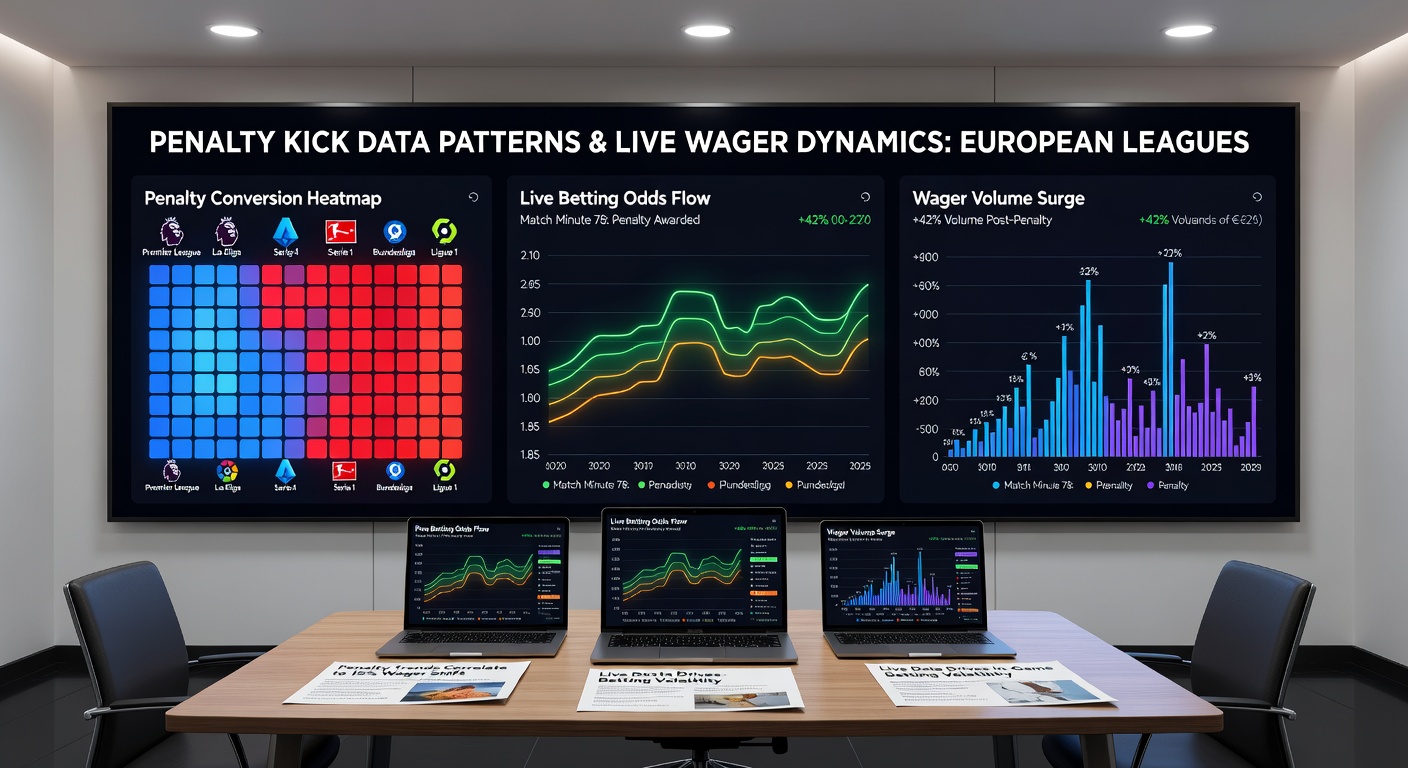
Once a referee points to the spot, betting volumes spike and algorithms recalculate implied probabilities within a narrow window. Data patterns help operators distinguish between routine conversions and those carrying hidden edges, such as a keeper's documented weakness on low shots to his left. This differentiation appears in the speed of price updates and in the availability of niche propositions that reference historical shot maps. European Professional Football Leagues statistics demonstrate that leagues with stricter VAR protocols experience fewer overturned decisions, which in turn stabilizes pre-kick odds and reduces post-whistle volatility.
Practical Applications in Match Situations
Consider a midweek Champions League qualifier between two Serie A sides where the score sits level in the 82nd minute. Historical records indicate the away goalkeeper saves 31 percent of penalties taken by opponents from the home club's region. Traders respond by shifting the save price inward, while bettors who reference the same dataset can place opposing wagers before the kick is taken. Similar scenarios unfold across domestic leagues when fatigue or crowd pressure alters run-up speeds, metrics that advanced models now quantify and feed into live feeds.
Multiple clubs publish anonymized training data that analytics firms cross-reference with public match logs. This cross-pollination produces updated heat maps released every quarter, allowing platforms to refresh their libraries ahead of congested May 2026 schedules. The result is a tighter feedback loop between on-pitch events and market movements, particularly for wagers settled within the 30-second window after the whistle.
Regulatory and Technological Context
European data-protection rules require operators to anonymize individual player identifiers when distributing penalty archives to third-party traders. Compliance frameworks from national gaming authorities across member states emphasize transparency in how historical sets influence live pricing. Technology providers continue to refine optical tracking systems that deliver sub-second updates, ensuring that any newly identified pattern, such as a rise in Panenka-style attempts during evening kick-offs, reaches pricing engines before the next matchday.
Conclusion
Penalty kick datasets have become core inputs for live football wagering engines across Europe's leading leagues. The combination of league-specific conversion trends, situational modifiers, and rapid technological integration creates an environment where historical patterns directly shape in-play prices. As the 2025-2026 campaign moves toward its conclusion in May 2026, continued refinement of these data streams promises further granularity in how markets respond to each spot-kick decision.