Layered Insights from Multi-Camera Replays Reshape Accumulator Timing in Soccer Broadcasts
Written by Carlo Lange · Aug 12, 2026

Layered Insights from Multi-Camera Replays Reshape Accumulator Timing in Soccer Broadcasts
Multi-camera replays have become standard in soccer telecasts across major leagues and international tournaments, delivering simultaneous angles that capture player movements, ball trajectories, and referee decisions from varied perspectives. Broadcasters deploy between eight and twenty-two cameras per match, according to production guidelines issued by the European Broadcasting Union, which allows viewers immediate access to freeze-frames and slow-motion sequences that clarify offside lines or foul contact points.
Technical Infrastructure Behind Layered Replay Systems
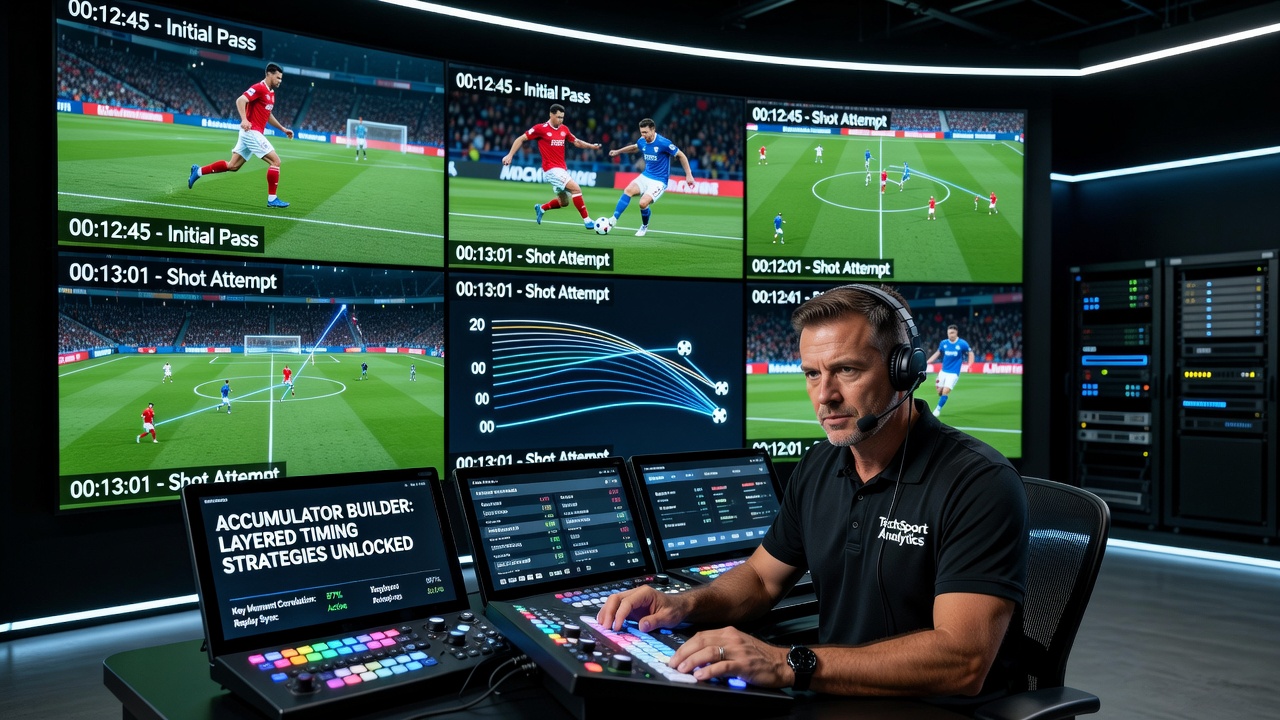
Production teams coordinate high-frame-rate cameras positioned along both touchlines, behind each goal, and overhead along the pitch axis, while additional units track bench reactions and crowd dynamics. These feeds feed into central replay servers that tag timestamps to the nearest millisecond, creating searchable archives that operators can retrieve within seconds of an incident. Data from UEFA technical reports indicate that average replay latency dropped below four seconds during the 2025-2026 season, enabling accumulators to reassess market positions while odds remain fluid.
Artificial intelligence overlays now highlight potential decision points on screen, such as projected offside lines or contact zones, yet human operators retain final control over which angles reach the broadcast. This combination of automated tagging and editorial selection produces layered timing opportunities for those constructing multi-leg bets across concurrent fixtures.
Accumulator Construction and Timing Adjustments
Accumulators often span three or more matches scheduled within overlapping windows, requiring bettors to monitor goal timings, card probabilities, and substitution patterns that shift live odds. Multi-camera replays supply granular evidence of player fatigue or tactical shifts that single-angle coverage obscures, allowing adjustments to pending legs before markets close. Observers note that replays frequently reveal subtle defensive lapses or attacking patterns seconds before they translate into measurable events on the pitch.
During the August 2026 international window, several European qualifiers featured extended replay sequences that clarified contentious penalty decisions within ninety seconds, giving accumulator builders additional reaction time across parallel fixtures. Figures released by the International Betting Integrity Association show increased live-bet volumes during these windows, coinciding with expanded replay availability on free-to-air and subscription platforms.
Integration with Live Data Feeds and Market Dynamics
Broadcast graphics now incorporate synchronized data streams that display expected goal values and pass-completion heat maps alongside replay footage, creating composite information layers. Research published by the University of Queensland Centre for Sport and Society links these visual enhancements to measurable shifts in betting activity, particularly in markets sensitive to timing such as next-goal or card accumulators. Operators adjust camera priorities based on match phase, allocating more angles to high-stakes periods like added time or set pieces where accumulator outcomes frequently hinge.
Regional variations appear in how federations mandate replay protocols. The Asian Football Confederation requires minimum camera counts for continental qualifiers, whereas CONMEBOL prioritizes goal-line technology integration with broadcast feeds. These differences create distinct information asymmetries across global fixtures that accumulator builders track through multiple telecasts.
Viewer Tools and Platform Delivery
Streaming services offer interactive replay menus that permit pausing or rewinding individual camera angles without interrupting the main feed, a feature rolled out widely after trials in the 2024 Copa América. Such controls allow simultaneous monitoring of several matches while preserving access to critical moments that influence live odds. Industry reports from the North American Soccer Federation note rising adoption of these tools among viewers who manage portfolios spanning domestic leagues and international tournaments.
Audio cues embedded in replays, including referee communications and bench instructions, further enrich context when synchronized with visual data. These elements combine to produce timing windows measured in seconds rather than minutes, aligning with the rapid fluctuation patterns observed in accumulator markets during peak scheduling periods.
Conclusion
Multi-camera replay infrastructure continues to evolve alongside broadcasting standards and data analytics, supplying soccer audiences with increasingly detailed temporal information. This technical progression directly intersects with accumulator strategies that depend on precise event sequencing across multiple fixtures, as evidenced by production metrics and audience engagement data from diverse confederations. The interplay between replay availability and live market dynamics remains a measurable feature of contemporary soccer telecasts.