Forecasting the Field: Meteorological Data Reshaping Live Wagers on Outdoor Events
Written by Taylor Lange · May 30, 2026
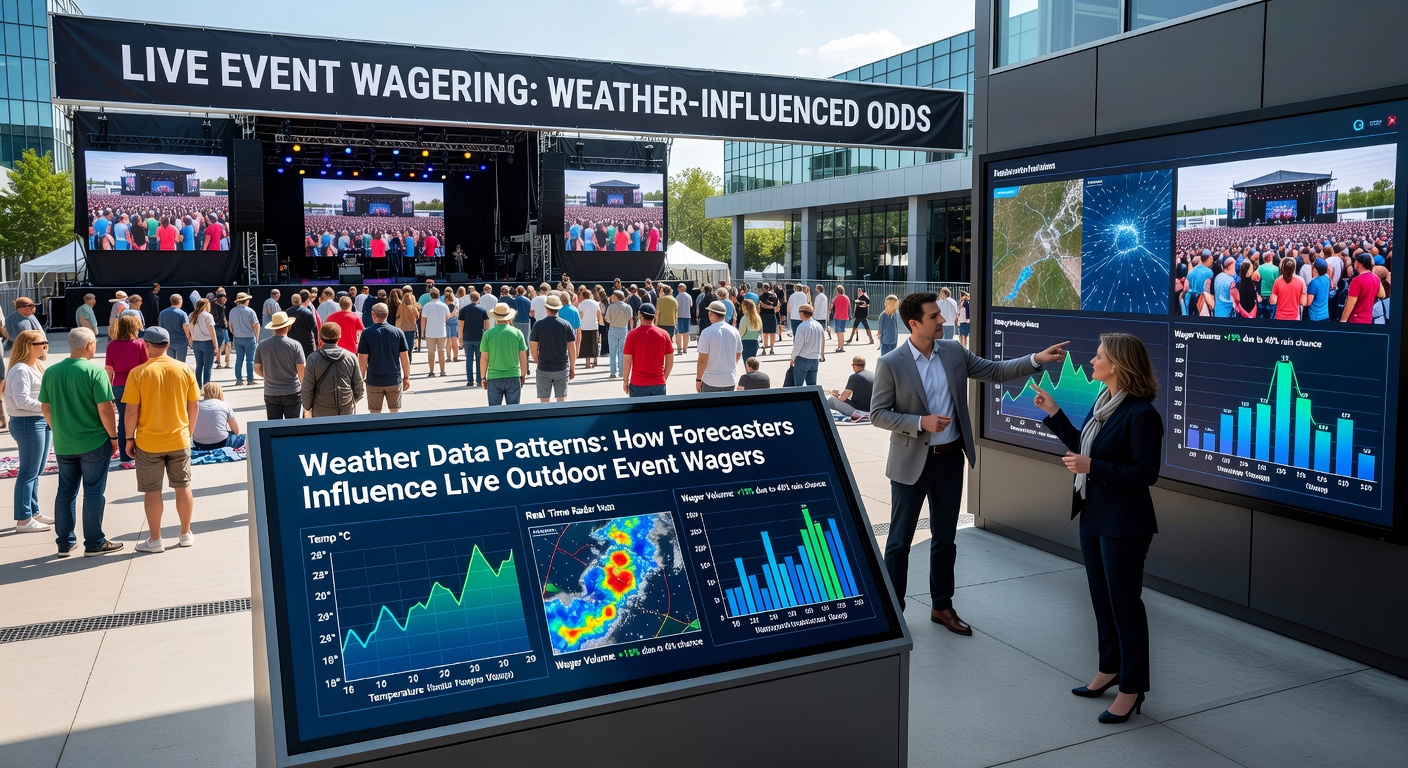
Forecasting the Field: Meteorological Data Reshaping Live Wagers on Outdoor Events
Weather patterns have long dictated outcomes in outdoor competitions yet only recently have forecasters integrated granular data streams directly into live wagering ecosystems, and this shift accelerated through 2025 into May 2026 as satellite feeds and ground sensors delivered minute-by-minute updates that bookmakers and bettors alike now monitor with precision.
Core Weather Variables That Move Markets
Wind speed, precipitation probability, temperature fluctuations, and humidity levels each trigger distinct odds recalibrations across tennis, golf, cricket, and horse racing, while forecasters supply the models that translate raw atmospheric readings into probabilistic forecasts which trading teams then fold into pricing engines within seconds of receipt.
Take a tennis match on an exposed court where gusts exceed 25 kilometers per hour, data from regional weather services show serve percentages drop measurably, and live markets respond by shortening prices on teh player returning first; similar adjustments occur in golf when crosswinds above 15 kilometers per hour alter club selection on exposed holes, prompting sharp bettors to target under-par performance lines on sheltered fairways.
Real-Time Integration in Betting Platforms
Modern platforms ingest feeds from multiple meteorological sources simultaneously, cross-reference them against historical performance databases, and surface revised probabilities before the next point or hole begins, and this process relies on application programming interfaces that pull from agencies such as the National Oceanic and Atmospheric Administration in the United States alongside counterpart organizations across Europe and Australia.
Observers note that a sudden 40 percent rise in rain probability during a cricket session can flip session totals markets in under ninety seconds because algorithms detect moisture thresholds that historically correlate with reduced run rates, and punters who subscribe to the same data streams often place opposing wagers before the broader market catches up.
Case Examples From Recent Seasons
During a European golf major in 2025 forecasters flagged an incoming cold front that lowered temperatures by eight degrees Celsius in the final round, and data subsequently showed approach-shot accuracy falling among players ranked outside the top twenty, which in turn widened live spreads on those competitors, while those monitoring the same models adjusted positions accordingly.
In another instance an Australian Rules football match scheduled for twilight saw humidity climb above 70 percent, prompting analysts to reference studies from the Bureau of Meteorology that linked such conditions to elevated error rates in kicking, and the resulting shift in handicap markets occurred before the first bounce.

Historical Pattern Analysis and Predictive Models
Researchers compile multi-year datasets that isolate weather impacts on specific venues, and these archives allow algorithms to assign weighted values to variables such as barometric pressure drops before thunderstorms or dew-point thresholds that affect grass-court grip, and the resulting models improve forecast accuracy by double-digit percentages compared with earlier generic weather apps.
Those who have studied these datasets observe that certain venues exhibit repeatable micro-climate behaviors, for example a coastal golf course where afternoon sea breezes consistently strengthen after 3 p.m. local time, and live betting syndicates now program alerts that trigger when sensor readings deviate from the established norm for that hour and month.
Regulatory and Industry Data Sources
Government meteorological agencies supply the foundational observations that commercial forecasters refine, and one such provider, the National Oceanic and Atmospheric Administration, publishes open datasets covering wind vectors and precipitation nowcasts that several European operators incorporate into their pricing systems. Another source, the European Centre for Medium-Range Weather Forecasts, contributes ensemble models that extend reliability windows for events lasting several hours, allowing bookmakers to maintain tighter margins on long-duration outdoor markets.
Industry associations have begun publishing guidance on best-practice data handling, yet the core advantage remains with operations that fuse meteorological feeds with venue-specific performance histories rather than relying on public forecasts alone.
Conclusion
Weather data patterns have moved from background context to active market driver in live outdoor-event wagering, and the integration of forecaster outputs continues to compress decision windows for both operators and participants through May 2026 and beyond. Accurate interpretation of these streams hinges on combining raw atmospheric measurements with venue-specific historical records, a process that rewards those who maintain direct access to authoritative meteorological sources while maintaining disciplined risk protocols.